Alternatives to Dog Daycare for Apartment Dogs

Table of Contents
Why Apartment Dogs Need Daycare Alternatives
Dog Walking vs Dog Daycare: A Side-by-Side Comparison
Cost Comparison and Break-Even Examples
In-Home Dog Sitting: One-on-One Care at Your Place
Drop-In Visits for Dogs: Midday Breaks and Playtime
How to Keep a Dog Busy in an Apartment While You're Away
Choosing Care by Temperament, Schedule, and Apartment Logistics
Caregiver Access, Building Logistics, and Security
Combining Care Options Across the Week
Conclusion
Frequently Asked Questions
Last Updated: October 21, 2026
Why Apartment Dogs Need Daycare Alternatives
Dog daycare is not the only way to keep an apartment dog exercised and socialized while you work, and for many dogs it is not the best one.
The apartment-specific challenges are real. Hallway and elevator crossings, shared walls, and a lack of private outdoor space make a full daycare day less convenient than it sounds. Then there is temperament: a shy dog in a crowded playroom often spends the day stressed rather than exercised, a problem the American Veterinary Medical Association's guidance on canine behavior flags as worth watching for.
That is why so many owners now look at alternatives to dog daycare for apartment dogs. The options below compare cost, convenience, and fit by dog profile, so you can pick what actually works for your building and your schedule.
Key Takeaway The best care plan for most apartment dogs is a combination, not a single service. A daily walk covers exercise and bathroom breaks; a drop-in visit or in-home sitter covers longer absences.
Dog Walking vs Dog Daycare: A Side-by-Side Comparison
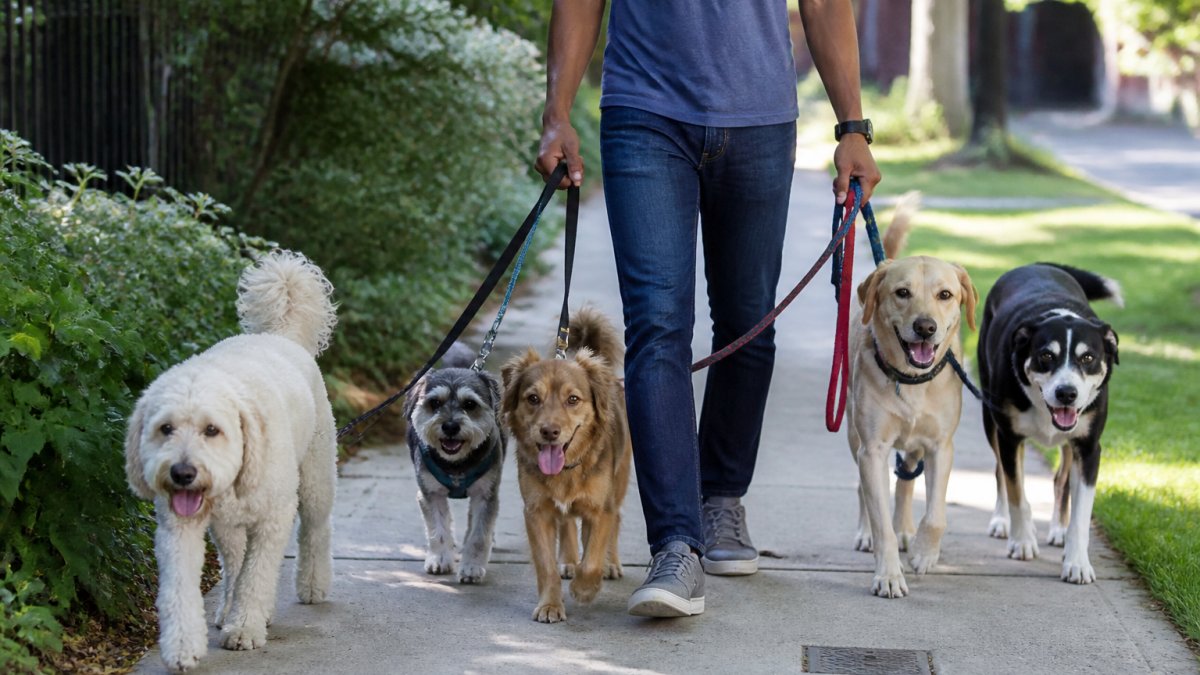
Dog walking beats daycare for apartment dogs that need exercise and a bathroom break but find group play overwhelming. Daycare wins when a dog is highly social and needs hours of supervised interaction. For most apartment households, walking is the lower-stress, lower-cost default.
Here is how the two compare on the factors owners ask about most:
Factor | Dog Walking | Dog Daycare |
Exercise | One-on-one or small-group walk | Group play plus outdoor breaks |
Socialization | Limited to the walker and passing dogs | Constant dog-to-dog contact |
Stress level | Low for most dogs | High for shy or reactive dogs |
Typical price range | $20-$35 per 30-minute walk | $30-$60 per full day |
Convenience | No transport needed | Drop-off and pickup required |
Best for | Most apartment dogs | Highly social, high-energy dogs |
Cost Comparison and Break-Even Examples
Walking usually costs less per day than a full daycare day, and you can scale it to your actual schedule. A dog that needs one midday break does not need a full day of care. Pricing for both varies by provider, so ask for a quote rather than assuming a rate, but the ranges above reflect what most urban providers charge.
The break-even question is simple: add up what you would spend on daycare days per week and compare it to the walks you actually need. Run the math with real numbers:
Five daycare days at $45/day = $225 per week.
Five 30-minute walks at $25/walk = $125 per week.
Three walks plus two drop-in visits at $30/visit = $135 per week, with more one-on-one attention.
For many owners, three walks a week plus a longer weekend outing covers the same exercise at a lower total. The break-even point shifts with frequency: if you only need care two days a week, daycare at $45/day costs $90, while two walks at $25 each cost $50, walking wins.
Bark West charges a flat rate per 30-minute walk, which makes that math easy to run before you commit. Ask for the current rate and multiply by the number of walks your dog actually needs.
Pro Tip Track one normal week of your dog's bathroom and exercise needs before you choose. Most apartment dogs need two to three breaks a day; a single midday walk plus morning and evening outings you handle yourself often covers it.
In-Home Dog Sitting: One-on-One Care at Your Place
In-home dog sitting is the closest substitute for daycare when your dog does not do well in groups. A sitter comes to your apartment, keeps your dog in familiar surroundings, and follows its normal routine. For anxious dogs, that familiarity matters more than any playroom.
The trade-off is cost and availability. In-home sitting is usually priced higher than a walk because it takes more time, and good sitters book up around holidays. It suits vacation care and long workdays far better than a quick midday break.
If your dog is shy with new people, ask for a meet-and-greet before the first booking. A sitter who ignores temperament signals will rush the visit. Watch how your dog reacts in the first ten minutes; that tells you more than any review.
Drop-In Visits for Dogs: Midday Breaks and Playtime
Drop-in visits are scheduled check-ins where a caregiver lets your dog out, feeds it, and spends time playing or walking. They fill the gap between a quick walk and full in-home care, and they are the most flexible option for unpredictable schedules.
A typical visit covers a bathroom break, fresh water, a short walk or play session, and a bit of company. For a dog that is fine alone for most of the day but needs a break by early afternoon, a drop-in is often enough.
Platforms like Rover's guide to drop-in visits let you search local sitters, and services such as Dogdrop's drop-in care options offer shorter hourly care instead of a full daycare day. Compare availability in your building's area before you rely on any single provider.
Watch Out Do not book a drop-in sitter without confirming building access first. Many apartment buildings require a key, fob, or front-desk check-in, and a sitter who cannot get in wastes the visit and leaves your dog waiting.
How to Keep a Dog Busy in an Apartment While You're Away
Keeping a dog busy in an apartment comes down to enrichment, not space. Puzzle feeders, frozen stuffed toys, snuffle mats, and a rotation of chew items give a dog mental stimulation that tires it out as much as a walk. Set these out before you leave, not after.

A few apartment-friendly habits help:
Rotate toys weekly so they stay novel
Leave a curtain partly open for natural light and street watching
Use a camera to check in during the first few alone days
Keep departures and arrivals calm to reduce separation anxiety
The ASPCA's separation anxiety resources are worth reading if your dog paces, whines, or destroys items when left. Enrichment helps, but a dog with true separation anxiety needs a behavior plan, not just more toys.
Choosing Care by Temperament, Schedule, and Apartment Logistics
Match the care option to the dog, not the other way around. A confident, social dog may thrive at daycare a few days a week. A shy or reactive dog usually does better with a consistent walker it knows. An anxious dog often needs in-home care or drop-ins with the same person each time.
Use this decision framework to narrow the options by dog profile and schedule:
Hours away from home: Under 6 hours, a single midday walk or drop-in is usually enough. 6-9 hours, a walk plus enrichment, or a longer drop-in. Over 9 hours or overnight, in-home sitting or boarding.
Age and energy: Puppies and high-energy adolescents need more frequent breaks and structured exercise; senior dogs need shorter, gentler walks and more bathroom opportunities.
Sociability: Dogs that seek out other dogs may enjoy daycare a day or two a week; dogs that avoid them do better with one-on-one walking.
Health: Dogs with medical needs or medication schedules are usually better served by a consistent sitter who can follow a routine.
Schedule matters just as much. Predictable office days suit a standing walk. Unpredictable travel suits an on-call walker or a sitter who can flex. And building logistics decide what is even possible.
Caregiver Access, Building Logistics, and Security
This is where apartment care plans fail most often, not because the dog is difficult, but because the caregiver cannot get in. Before you book anyone, work through these details:
Keys, fobs, and codes: Decide whether you will hand off a physical key, a fob, or a temporary smart-lock code. Many buildings restrict key duplication; ask your property manager before you copy one.
Front-desk procedures: Some buildings require visitors to check in, show ID, or be listed on an approved-vendor sheet. Confirm whether your caregiver needs to be registered in advance.
Elevator and hallway rules: Many buildings require dogs to be carried or kept on a short leash in common areas, and some restrict which elevators may be used. Brief your caregiver on the route.
Insurance and bonding: Ask whether the walker or sitter carries liability insurance and is bonded. This protects you if something goes wrong inside the building.
Emergency contacts: Leave your vet's number, a secondary contact, and written authorization for emergency care. A caregiver who cannot reach you should know exactly what to do.
Safe handoffs: For drop-ins, agree on where the key lives and how the caregiver confirms arrival and departure, a photo or message at the start and end of each visit.
Combining Care Options Across the Week
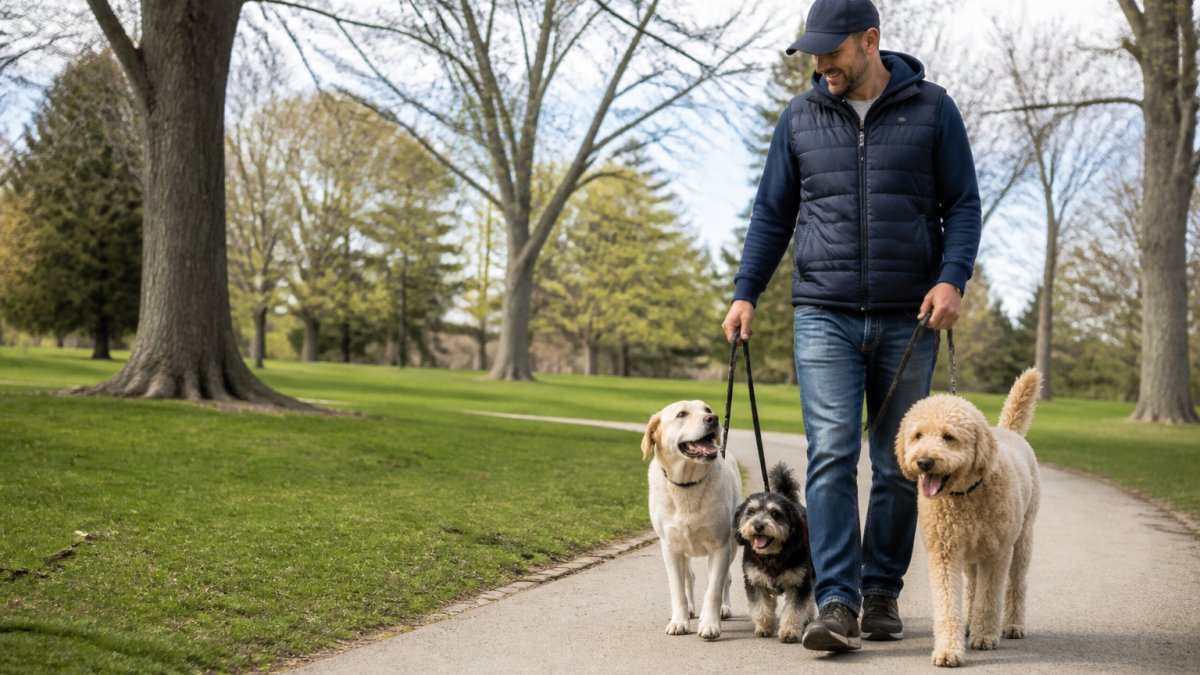
The strongest plan for most apartment dogs is a weekly mix. Use a dedicated walker on your regular office days, a drop-in visit when a meeting runs long, and in-home sitting for vacations. One consistent person for the routine, plus backup for the exceptions, covers almost every schedule.
That is where Bark West fits. Steve the Dog Guy walks dogs within the Park West boundaries, customizes each walk to the individual dog, and stays on call 24/7/365 as a backup when your primary plan falls through. It is a simple, flat-rate way to cover the exercise and bathroom breaks that daycare would otherwise handle.
Conclusion
The hard part of choosing care is not finding options, it is matching them to a dog's temperament and your building's realities. Start with a daily walk for routine exercise, add drop-ins or in-home sitting for longer absences, and keep enrichment in place for the hours alone.
Bark West makes the routine piece easy. We offer personalized walks, a flat rate of $20 per 30-minute walk, and on-call availability every day of the year, all within the Park West community. Get started with Bark West and give your apartment dog reliable exercise, fresh air, and a walker who knows its needs.
Frequently Asked Questions
What are the best alternatives to dog daycare for apartment dogs?
The main dog daycare alternatives for apartment dogs are dog walking, in-home dog sitting, and drop-in visits. Dog walking gives your dog exercise and a bathroom break without group play. In-home sitting provides one-on-one attention in your own apartment. Drop-in visits cover midday breaks and playtime. Each option works best for different schedules and temperaments, and many owners combine two or three across the week to cover busy days and travel.
Is a dog walker or pet sitter better than dog daycare?
It depends on your dog's needs. A dog walker is better for dogs that find group play overwhelming or need a predictable routine. A pet sitter suits dogs with separation anxiety or those recovering from illness. Dog daycare offers more socialization but can be stressful for shy dogs. For apartment dogs, walking and sitting also avoid the transport time and lobby logistics that daycare requires. Match the option to your dog's temperament and your schedule.
How can I keep my apartment dog entertained while I'm at work?
Set up a rotation of puzzle toys, frozen stuffed toys, and safe chews before you leave. Leave a window perch or a cozy bed near natural light. A midday dog walk breaks up the day and provides exercise and a bathroom break. Keep the routine consistent so your dog knows what to expect. Avoid leaving all toys out at once; rotate them to keep novelty high. This combination supports mental stimulation and reduces boredom during time alone.
How long can a dog stay home alone in an apartment?
Most adult dogs can handle four to six hours alone, but puppies and senior dogs need more frequent breaks. In an apartment, lack of outdoor access makes bathroom breaks more urgent. A midday dog walk or drop-in visit keeps time alone within a safe range. If your schedule regularly runs longer than six hours, arrange a walker or sitter rather than relying on your dog to hold it. Watch for signs of stress and adjust the routine.
What should I look for in an in-home dog sitter?
Look for a sitter who is insured and bonded, asks about your dog's temperament and routine, and offers a meet-and-greet before the first booking. Ask how they handle emergencies and whether they have backup coverage. For apartment buildings, confirm they know your access and security procedures. Clear communication, personalized care, and a willingness to follow your dog's schedule matter more than a long list of services. Request references from nearby clients.
Contact

Comments