What Happens If a Dog Is Under-Exercised: 7 Warning Signs

Table of Contents
What Happens If a Dog Is Under-Exercised: The Short Answer
Signs a Dog Needs More Exercise
Behavioral Clues: Destructive Chewing, Hyperactivity, and Attention-Seeking
Physical and Emotional Clues: Weight Gain, Restless Sleep, and Low Mood
How Lack of Exercise Affects Behavior, Mood, and Health
How Long Should a Dog Exercise Daily?
Adjusting the Number for Your Individual Dog
A Simple Way to Find Your Dog's Number
How to Exercise a Dog Safely: A Gradual, Measurable Plan
Track It So You Can Actually Measure Progress
Safe Stopping Points and Urgent Warning Signs
Low-Impact Options for Dogs With Mobility or Health Limits
Dog Mental Stimulation Ideas That Tire Them Out
Telling Under-Exercise Apart From Other Causes
When to Call Your Vet
Frequently Asked Questions
Last Updated: October 19, 2026
What Happens If a Dog Is Under-Exercised: The Short Answer
If a dog is under-exercised, the first changes show up at home: chewed furniture, pacing, barking at nothing, and a dog that cannot settle at night.
The core problem is simple. Dogs were bred for work, and most of that work was movement. When the walks stop, the energy does not disappear.
Below, we break down what happens if a dog is under-exercised, how to spot it early, and how to fix it without overdoing it.
Signs a Dog Needs More Exercise
The clearest sign is a change in behavior at home, not at the park. A dog that gets enough activity sleeps well and settles easily. A dog that does not starts finding its own jobs to do.
Watch for these clues:
Destructive chewing on furniture, shoes, or door frames
Pacing, whining, or barking with no obvious trigger
Jumping, nipping, or nudging you for attention
Weight gain with no change in food
Restless sleep or waking you at night
One or two of these can mean many things. A cluster of them, especially after a schedule change, points to exercise.

Behavioral Clues: Destructive Chewing, Hyperactivity, and Attention-Seeking
Destructive chewing is the most common complaint we hear. A bored dog chews because chewing feels good and there is nothing better to do. Hyperactivity looks like a dog that cannot hold still for five minutes. Attention-seeking shows up as nudging, barking, or stealing items to start a chase.
These are not personality flaws. They are a dog asking for a job.
Physical and Emotional Clues: Weight Gain, Restless Sleep, and Low Mood
A lack of daily exercise slows metabolism and costs muscle. Dogs that miss walks also tend to sleep lightly and wake often. Some go quiet instead of wild, which owners miss because a calm dog looks well behaved. Low mood, less curiosity, and a dull coat can all follow a long stretch of low activity.
How Lack of Exercise Affects Behavior, Mood, and Health
Behavior changes first, then the body follows. Pent-up energy lowers a dog's tolerance for everything: guests, other dogs, noise, and being alone.
The physical side is quieter but real. Less activity means fewer calories burned, which leads to weight gain and, over time, obesity.
The American Kennel Club's exercise guidance makes the point plainly: exercise needs vary by age, breed, and health, but every dog needs daily movement.
Watch Out Pushing an out-of-shape dog straight into a long run is the classic mistake. Overexertion in a dog that is not fit can cause stumbling, collapse, or breathing trouble. Build up slowly.
How Long Should a Dog Exercise Daily?
There is no single number, and any guide that hands you one is guessing. Most healthy adult dogs do well with 30 to 60 minutes of daily activity, split across one or two sessions, but that range is a starting point, not a prescription. The number that matters is the one that fits your individual dog, and that number changes with age, breed, current fitness, weather, and health.
Use the table below as a baseline, then adjust using the modifiers that follow.
Dog Type | Daily Activity | Session Style |
Senior or low-energy | 20-30 minutes | Two short, slow walks |
Typical adult | 30-60 minutes | One long walk plus a short one |
High-energy breed | 60-90 minutes | Vigorous walk plus play |
Puppy | Short, frequent bursts | Several 5-10 minute sessions |
Limited mobility | 10-20 minutes | Flat, slow, frequent walks |
Adjusting the Number for Your Individual Dog
A baseline is only useful if you know which levers to pull.
Breed and build. Herding, sporting, and working breeds were selected for sustained movement and generally need the top of the range.
Current fitness. A dog that has been on two 10-minute walks a day for a month is not ready for an hour of fetch.
Weather. Heat is the biggest seasonal limiter.
Health. A dog with arthritis, heart disease, or a breathing condition needs a veterinarian-set ceiling, not a breed average.
A Simple Way to Find Your Dog's Number
Rather than guessing, run a one-week calibration. Pick a starting duration from the table, keep the pace easy, and note two things each day: how long it takes the dog to settle after the walk, and whether it sleeps through the night.
That calibration loop is more useful than any published target, because it measures the only thing that matters: how your dog responds.
How to Exercise a Dog Safely: A Gradual, Measurable Plan
Add activity in small steps, track it, and know when to stop. Sudden jumps in duration or intensity are what cause injury, heat stress, and burnout, and the owners who get into trouble are usually the ones who cannot tell you how much their dog did last week.
Here is the plan we recommend to new clients:
Week 1: Add 10 minutes to the current routine. Keep the pace easy.
Week 2: Add another 10 minutes, or split it into two shorter walks.
Week 3: Add a slow jog interval of 2-3 minutes inside the walk.
Week 4: Extend the longest walk by 10 minutes and add one sniff-heavy walk.
Track It So You Can Actually Measure Progress
A plan you cannot measure is a plan you cannot adjust. Keep a simple log, a notes app, a calendar, or a whiteboard by the door, with four fields per day: total minutes, intensity (easy, moderate, hard), how long the dog took to settle afterward, and any stiffness or limping the next morning.
Two measures tell you whether you are progressing safely:
Settle time. A well-exercised dog settles within about 15 minutes of coming inside. If settle time is climbing week over week, you are adding too much too fast.
Next-morning recovery. A dog that is stiff, slow to rise, or reluctant to go out the next day did too much. Hold the current week's level and repeat it before adding more.
Measure by time, not distance. A slow, sniffy walk tires a dog more than people expect, and distance varies wildly with pace and terrain. Stop while the dog still has a little left in the tank.
Pro Tip Sniffing is exercise. A 20-minute walk where the dog stops to smell everything can drain more energy than a fast 30-minute march. Do not rush the nose work.
Safe Stopping Points and Urgent Warning Signs
Knowing when to stop is as important as knowing how much to add. End the session and rest your dog if you see:
Heavy, noisy breathing that does not settle within a few minutes of stopping
Excessive panting with a bright red tongue or thick drool, early heat stress
Lagging behind, slowing dramatically, or lying down mid-walk
Stumbling, weakness, or an uneven gait
Pale, gray, or blue gums
Collapse, blue gums, or breathing that does not recover are emergency signs, cool the dog, offer water, and call your veterinarian or an emergency clinic immediately. Flat-faced breeds, thick-coated breeds, seniors, and overweight dogs overheat fastest, so shorten sessions and choose cool times of day for those dogs.
Low-Impact Options for Dogs With Mobility or Health Limits
Not every dog can run. For dogs with arthritis, joint issues, or breathing problems, try:
Flat, even-surface walks on grass or pavement
Swimming, if your vet clears it
Slow leash walks with lots of stops
Indoor scent games and food puzzles
Gentle stretching and range-of-motion play
Ask your vet before starting anything new for a dog with a diagnosed condition, and ask for a specific minutes-per-day ceiling rather than a general go-ahead.
Dog Mental Stimulation Ideas That Tire Them Out
Mental work tires a dog almost as much as a walk. For busy owners, ten minutes of brain work can cover a lot of ground.
Try these:
Scatter kibble in a snuffle mat or on the lawn
Hide treats around a room for a nose-work search
Stuff a frozen food toy for quiet time
Teach one new trick per week
Rotate toys so old ones feel new
Mental stimulation also cuts boredom, which is often the root of destructive behavior. This is where a service like Bark West helps: a mid-day walk breaks up a long stretch alone, and Steve adjusts the pace and route to fit the dog in front of him.
Telling Under-Exercise Apart From Other Causes
Behavior changes are not always about exercise. This is the part most guides skip. Before you add miles, rule out the other causes.
Ask yourself:
Did the behavior start after a schedule or household change?
Is the dog eating, drinking, and toileting normally?
Has there been weight loss rather than gain?
Are there new fears, or is it just restlessness?
Is the dog in pain, limping, or stiff after rest?
A sudden change in behavior, especially in an older dog, deserves a vet visit. Pain, thyroid issues, and anxiety can all look like boredom. The ASPCA's pet care guidance notes that behavior shifts often have a medical root.
Key Takeaway Add exercise only after you rule out pain and illness. A tired dog is a good dog, but a sick dog that gets pushed harder is a worse one.
When to Call Your Vet
Call your vet if you see any of these:
Collapse, fainting, or loss of consciousness
Pale or blue gums
Heavy breathing that does not settle
Stumbling or weakness during a walk
Limping that lasts more than a day
Sudden aggression or withdrawal
Stop the walk and rest if a dog shows these signs. Do not push through. A vet can check heart health, joints, and breathing, and set a safe activity level.
If your schedule is the real problem, a reliable walker fills the gap.
Most under-exercise problems come down to one thing: a busy week and a dog left waiting by the door. The fix is not a marathon.
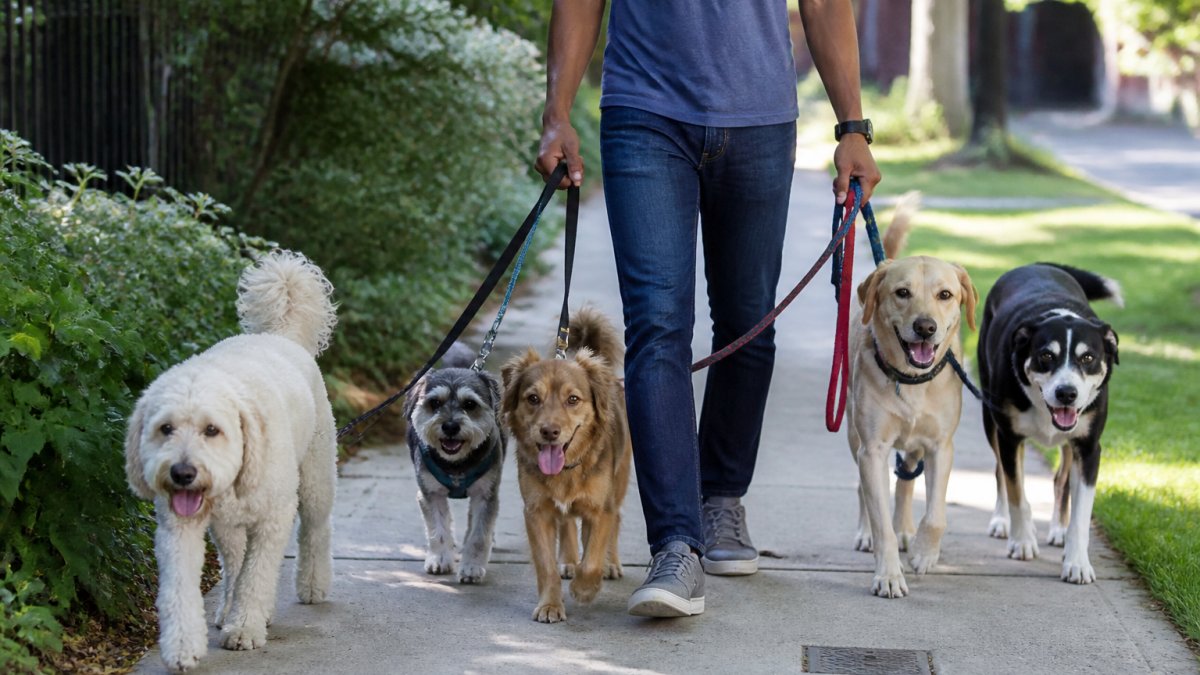
Bark West is built for exactly that. Fully insured and bonded, Steve the Dog Guy walks dogs across Park West with a flat rate, 24/7/365 on-call availability, and walks customized to each dog's needs.
Frequently Asked Questions
What happens if you don't exercise your dog enough?
An under-exercised dog often shows it through behavior first: destructive chewing, restlessness, hyperactivity, attention-seeking, and barking. Over time, the lack of physical activity can contribute to weight gain, muscle loss, and poorer heart health, and many dogs also develop boredom, anxiety, or frustration that shows up as compulsive behavior like pacing or excessive self-grooming. The fix is not one long weekend hike but a consistent daily routine that matches your dog's age, breed, and health. If behavior changes appear suddenly or come with appetite or sleep changes, have your vet rule out a medical cause.
What are the signs a dog needs more exercise?
Watch for destructive behavior and chewing, hyperactivity or restlessness, attention-seeking, and difficulty settling even when tired. Some dogs get mouthy or jumpy in the evening, others pace or stare at you. Physical clues include weight gain, reduced stamina, and restless sleep. Keep a simple log for a week: note walks, times, and behaviors. If the behaviors cluster on days with less activity, under-exercise is a likely cause. It is still worth a vet check, since pain and thyroid issues can mimic the same signs.
How can I safely increase my dog's exercise?
Add activity in small, measurable steps rather than doubling walks overnight. Increase one walk by five to ten minutes per week, keep the pace moderate, and watch for stumbling, heavy panting that does not settle, or reluctance to keep going. Mix in low-impact work like sniff walks, gentle hills, and swimming if your dog tolerates it. Mental stimulation counts too: puzzle feeders, scent games, and training sessions tire a dog without pounding the joints. Dogs with health conditions should get a vet's sign-off before the plan changes.
Can a lack of exercise make a dog destructive or anxious?
Yes. Boredom and frustration from too little physical activity and mental stimulation often show up as destructive chewing, digging, and barking. Anxious dogs can also become more reactive when they have no outlet for built-up energy. Exercise alone will not fix true separation anxiety, but a tired dog with a predictable routine is usually calmer. Pair daily walks with enrichment at home, and if destruction happens mainly when you leave, treat it as an anxiety question and talk to your vet rather than just adding more miles.
Contact

Comments