Benefits of Personalized Dog Walking Services

Table of Contents
Why Personalized Dog Walking Beats a Generic Walk
The Health Benefits: Exercise, Weight Management, and Energy
Mental Stimulation and Reduced Boredom on Every Walk
Socialization, Confidence, and Less Separation Anxiety
How Long Should a Dog Walk Be?
Questions to Ask a Dog Walker Before You Hire
Dog Walker Red Flags to Watch For
Personalized Dog Walking: A Routine That Fits Your Life
Frequently Asked Questions
Last Updated: October 18, 2026
Why Personalized Dog Walking Beats a Generic Walk
A personalized dog walking service builds each outing around one specific dog: its pace, its stamina, its quirks, and its triggers.

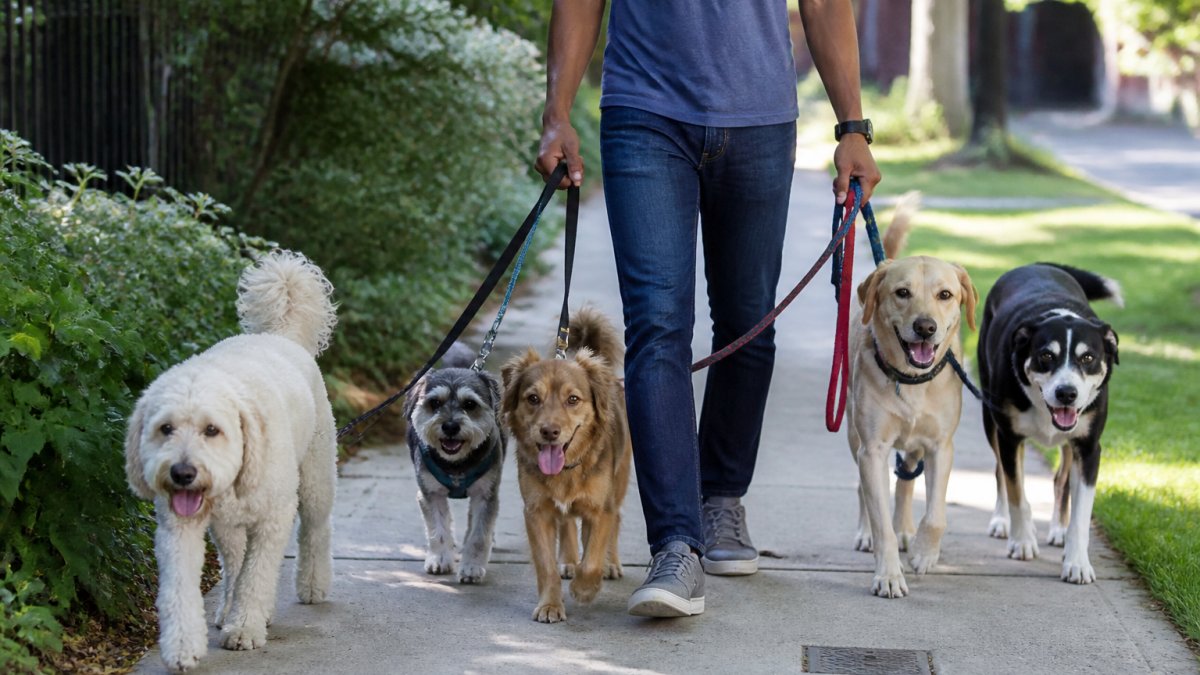
Generic walks follow a template. The walker collects a rotating pack, covers the same loop, and moves at whatever speed keeps the group together. It works for some dogs.
The American Veterinary Medical Association's pet ownership guidance makes a simple point that supports this: dogs are individuals, and their exercise needs vary by age, breed, and health status. A one-size-fits-all walk ignores that reality.
Personalized care means the walker knows the dog's name, its habits, and its history before the first walk ends. That knowledge is what turns a routine chore into real preventive care.
The Health Benefits: Exercise, Weight Management, and Energy
Regular exercise is the most obvious benefit of a personalized dog walking service, and the most measurable. Consistent daily walks support weight management, joint health, and healthy energy levels.
The catch is that "proper" is dog-specific. A high-drive herding breed may need a brisk, long route. A flat-faced breed or an older dog with joint issues needs a shorter, gentler pace, especially in heat.
Many owners find that a mid-day walk solves a specific problem: the dog that paces and whines by early afternoon is often just under-exercised. A reliable daily walk breaks up long stretches alone and gives the dog a physical outlet.
Mental Stimulation and Reduced Boredom on Every Walk
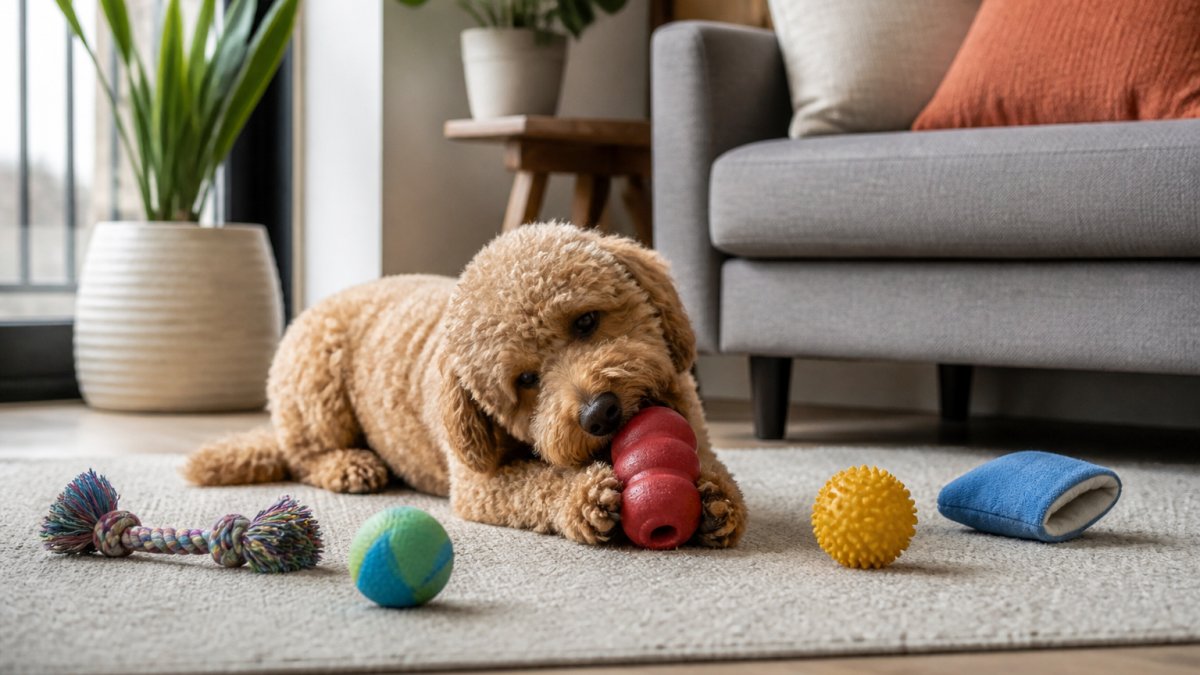
Sniffing is the dog equivalent of reading the news. A walk that lets a dog stop, sniff, and explore delivers mental stimulation that a fast march around the block does not. Enrichment on a walk comes from new routes, new scents, and time to investigate.
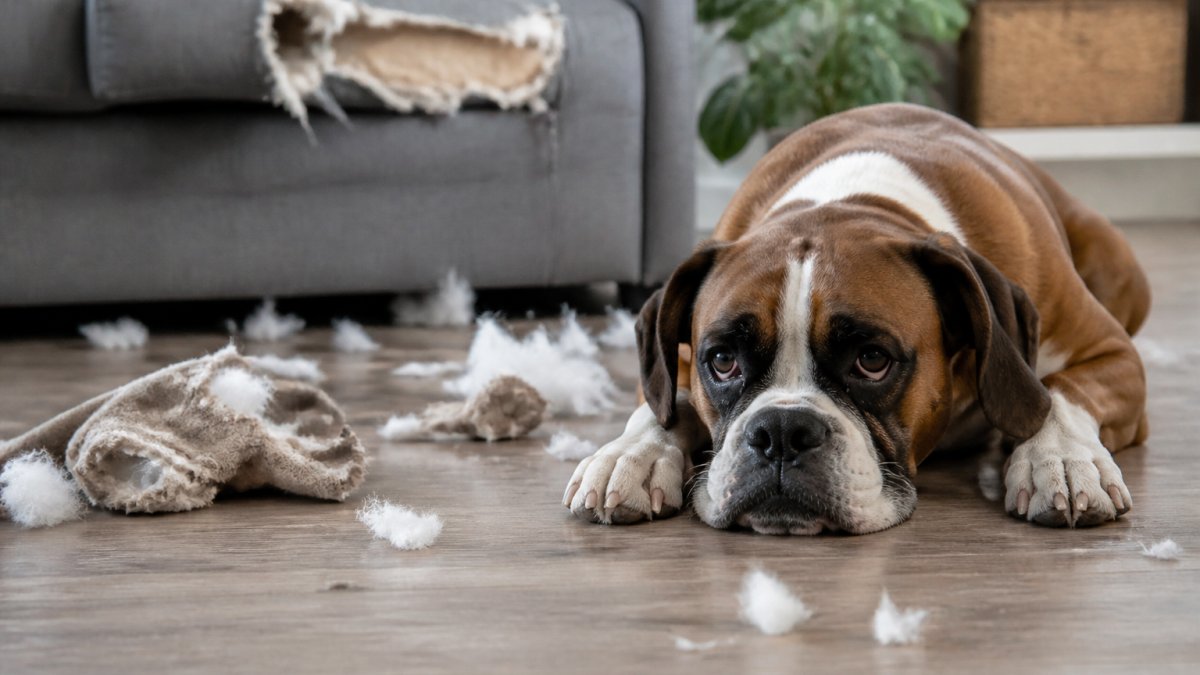
Boredom is a leading cause of destructive behavior in dogs left alone for long workdays. Chewed furniture, scratched doors, and frantic barking are often boredom signals, not discipline problems. A personalized walker can rotate routes and add interactive play to keep the dog's mind engaged.
Pro Tip Ask your walker to let your dog sniff for the first five minutes before picking up the pace. Sniffing lowers arousal and gives the dog a mental workout that a brisk walk alone cannot match.
This is where a generic group walk struggles. A pack moves at pack speed, which means the sniffers get rushed and the pullers set the pace. One-on-one walks give the dog room to think.
Socialization, Confidence, and Less Separation Anxiety
Socialization is not just about other dogs. It is about new people, new sounds, new surfaces, and new experiences, introduced at a pace the dog can handle. A personalized walk exposes a dog to the world in controlled doses.
For a shy or reactive dog, a group walk can overwhelm. A one-on-one walk with a calm, experienced walker builds confidence gradually. Over time, many owners notice their dog handles strangers and strange noises with less stress.
Separation anxiety is a related but distinct issue. Dogs that panic when left alone often benefit from a predictable routine and a familiar, trusted walker who arrives on schedule. The walk itself provides stress relief, and the reliability of the visit reduces the uncertainty that feeds anxiety.
How Long Should a Dog Walk Be?
Walk length is the first place personalization shows up, and it is not a single number. The right duration depends on age, breed, body shape, health status, weather, and the dog's behavior on the walk itself.
Use this as a starting guide, then adjust based on how your dog behaves during and after the walk:
Dog Profile | Suggested Walk | Frequency | Pace and Route Notes |
Puppy (under 1 year) | 15-20 minutes | 3-4 times daily | Short, frequent, low-distraction routes; avoid long stretches of pavement while joints are developing |
Senior or low-energy | 20-30 minutes | 2 times daily | Flat, shaded routes; allow frequent sniff stops and rest breaks |
Average adult | 30-45 minutes | 2 times daily | Mix of brisk walking and sniff time; rotate routes to add novelty |
High-energy breed | 45-60 minutes | 2 times daily | Include a faster segment, hills, or a supervised off-leash run in a fenced area if permitted |
Flat-faced breed | 15-20 minutes, cool hours | 2-3 times daily | Avoid heat and humidity; keep pace easy and watch for heavy breathing |
Reactive or anxious dog | 20-30 minutes | 2 times daily | Quiet routes with good sightlines; keep distance from triggers; prioritize calm over distance |
A good walker watches the dog, not the clock. If your dog is dragging at minute 20, the walk is too long. If it is still pulling at minute 45, it may need more.
Personalization also changes what happens during the walk, not just how long it lasts.
Pro Tip Ask your walker to log the actual time spent moving versus sniffing. A 30-minute walk that is 25 minutes of brisk walking is a different workout than a 30-minute walk that is 15 minutes of sniffing and 15 minutes of walking. Both can be right, but you should know which one your dog is getting.
Weather and season matter too. In summer heat, a flat-faced breed or a thick-coated dog may do better with two shorter walks at cooler hours than one long midday walk. In winter, senior dogs and short-coated breeds may need shorter outings and paw protection. A personalized walker adjusts the plan to the day, not just the dog.
Finally, walk length should be reviewed as the dog changes. A puppy's needs shift month to month. A dog recovering from surgery or managing a chronic condition may need a temporary reduction.
Questions to Ask a Dog Walker Before You Hire
Ask about screening, insurance, emergency procedures, and how the walker handles a nervous or reactive dog before you hand over the leash. The answers tell you more than any review page, but only if you know what a good answer sounds like. Use this checklist as a script, and listen for specifics rather than reassurances.
Are you insured and bonded, and can you show proof? A good answer includes a certificate of insurance you can review, not just a verbal yes. Bonding covers theft or dishonesty; liability insurance covers injuries or property damage. Ask whether the policy covers the walker while they are on your property and while they are walking your dog.
How do you screen dogs before adding them to a walk? Look for a meet-and-greet, a temperament assessment, and a trial walk. A walker who adds any dog to any group without an assessment is a risk to your dog and to the group.
What happens if my dog gets injured or slips the leash? A good answer includes a specific protocol: who is called first, which vet or emergency clinic is used, how the owner is notified, and how the incident is documented. Vague answers like "we handle it" are a red flag.
Do you walk solo or in groups, and can I choose? Ask about the maximum number of dogs per walker and how dogs are matched.
How do you handle a dog that is anxious, reactive, or shy? Listen for concrete techniques: distance from triggers, treat scattering, parallel walking, avoiding crowded routes, and a calm, low-arousal approach.
Will I get updates, and in what form? Ask whether updates include a photo, a note on potty breaks, distance or duration, and any behavior observations. Regular updates are both a convenience and a safety check.
What is your cancellation policy for unpredictable schedules? Look for a clear window (for example, 24 hours' notice) and a stated fee. A walker who is flexible on short notice is valuable, but the policy should be in writing.
Can I speak with current clients as references? Ask for two or three references, ideally clients with dogs similar in age, breed, or temperament to yours.
What is your leash-handling and equipment policy? Ask whether the walker uses a standard leash, a harness, or a head halter, and whether they will follow your equipment preferences. A walker who insists on their own equipment without discussing it with you is a mismatch.
How do you handle heat, cold, and severe weather? A good answer includes shortened walks, cool-hour scheduling, paw protection, and a clear rule for when walks are canceled or moved indoors.
The Insurance Information Institute's guidance on personal liability is worth a look if you want to understand why bonding and insurance matter for anyone entering your home.
Watch Out Skipping the insurance question is the most common mistake owners make. An uninsured walker who is bitten or causes an accident can leave you exposed, and the cost lands on you, not them. Ask for proof in writing before the first walk.
A strong walker will welcome these questions and answer them with specifics. A weak one will deflect, rush, or promise that everything is "handled." The questions are not a test of the walker's likability, they are a test of whether the walker has thought through the situations that matter most.
Dog Walker Red Flags to Watch For
The clearest red flag is a walker who cannot answer basic questions about your dog's temperament or routine. Vague answers about screening, insurance, or what happens in an emergency are warning signs, not small talk.
Watch for these:
No proof of insurance or bonding
Reluctance to meet your dog before the first paid walk
No clear plan for emergencies or lost-leash situations
Pack sizes that seem too large for safe supervision
No updates or communication during or after walks
Pressure to commit to a long contract before a trial walk
A walker who rushes through the meet-and-greet, ignores your dog's body language, or dismisses your concerns about anxiety is telling you something. Believe it.
Personalized Dog Walking: A Routine That Fits Your Life
The real value of personalized dog walking is reliability that bends to a busy schedule. A predictable daily walk gives your dog structure, and a walker who understands your dog gives you peace of mind when meetings run long or travel plans change.
Bark West was built for exactly this. Every walk is customized to the individual dog, and the service works as both a dedicated daily walker and a dependable backup when your regular plan falls through.
If your dog deserves a walk built around its needs rather than a route built for a crowd, the American Kennel Club's guidance on daily exercise is a good reminder of why consistency matters.
Frequently Asked Questions
How does a personalized dog walk differ from a group walk?
A personalized dog walk is built around one dog's pace, route, and temperament. The walker adjusts duration and intensity to match the dog's age and energy, and gives individual attention the whole time. Group walks move at a shared pace and split attention across several dogs. For anxious, senior, or reactive dogs, that individual attention often makes the difference between a calm walk and a stressful one.
Can personalized walks help reduce boredom and restlessness?
Yes. Boredom usually comes from predictable, low-effort outings. Personalized dog walking adds variety: new routes, interactive play, and sniff-friendly stops that work the mind as much as the legs. A dog that gets mental stimulation and enrichment on a daily walk tends to settle more easily at home, chew less, and show lower stress. Consistency matters most, so a regular schedule with the same trusted walker works better than occasional outings.
What are the red flags in a dog walker or pet sitter?
Watch for vague answers about insurance and bonding, no meet-and-greet before the first walk, unwillingness to share updates or photos, and pressure to book without questions. Other dog walker red flags include refusing to discuss your dog's routine, arriving late without notice, and having no backup plan for emergencies. A trustworthy walker welcomes questions, explains their screening process, and puts safety details in writing.
How often should a dog have a professional walk?
Most healthy adult dogs do well with one to two walks a day, and many busy owners use a professional walker for the midday outing. Puppies, high-energy breeds, and working dogs often need more frequent or longer sessions. Senior dogs may need shorter, gentler walks. Ask your vet for guidance based on your dog's age, breed, and health, then set a consistent daily routine the walker can follow.
Your dog's exercise, enrichment, and calm behavior all trace back to a routine that actually fits. If your current setup leaves gaps, Bark West can fill them with personalized walks, on-call availability, and a flat-rate structure that keeps things simple. Get started with Bark West and give your dog a walk that is designed for them, not for a schedule.
Contact
Comments