How to Manage Dog Separation Anxiety

Table of Contents
Dog Separation Anxiety Symptoms: What You're Actually Seeing
Is It Separation Anxiety or Just Boredom?
How Severe Is It? A Quick Assessment
Separation Anxiety Training for Dogs: The Step-by-Step Plan
Step 1: Set Up Video Monitoring and Find Your Dog's Baseline
Step 2: Practice Short Absences and Build Duration Gradually
Step 3: Countercondition Departure Cues and Neutralize Your Routine
Step 4: Run a Session Log You'll Actually Keep
How Long Does Dog Separation Anxiety Training Take?
Tracking Progress Objectively and Planning for Setbacks
Calming Aids for Dogs with Separation Anxiety: What Works and What Doesn't
When to Get Professional Help for Your Dog's Anxiety
Common Mistakes That Make Dog Separation Anxiety Worse
Conclusion: Building a Realistic Plan for Your Dog
Frequently Asked Questions
Last Updated: October 14, 2026
Dog Separation Anxiety Symptoms: What You're Actually Seeing
Dog separation anxiety is a panic response to being left alone, not simple misbehavior.
The signs cluster into a few groups:
Noise: barking, howling, or whining that starts minutes after you leave
Destruction: chewed door frames, scratched exits, torn blinds
Escape attempts: digging at doors or windows, sometimes causing self-injury
Body signals: pacing, panting, drooling, trembling
House soiling: accidents in a dog that was fully house-trained
The tell is timing. A bored dog chews a shoe at 2 p.m. A dog with separation anxiety starts within minutes of your departure.
Is It Separation Anxiety or Just Boredom?
Boredom is random. Separation anxiety is predictable.
A bored dog gets into trouble when nothing else is happening; an anxious dog panics the moment your departure routine starts. Watch for distress before you reach the door, keys, shoes, and coats are departure cues, and a dog with separation anxiety reacts to them.
Other problems look similar: house soiling can be medical, and barking can be a reaction to outside noise. Rule out health problems with your vet before assuming it's behavioral.
How Severe Is It? A Quick Assessment
Severity decides your next step. Ask:
Does your dog show distress before you leave, or only after?
Can your dog stay calm for any length of time alone, even five minutes?
Is there self-injury, escape attempts, or nonstop vocalization?
Mild cases often improve with training alone. Severe cases, especially with self-injury, need a veterinary assessment and a behavior professional. Don't wait on those.
Separation Anxiety Training for Dogs: The Step-by-Step Plan
Separation anxiety training for dogs teaches that being alone is safe, in doses small enough to avoid panic. The core method is gradual desensitization, short absences that build in duration, paired with counterconditioning so departures predict something good.

Most guides say "go slowly" without saying how slowly, when to add time, or what to do when a session goes sideways. Below is a day-by-day plan with explicit rules for adjusting.
Step 1: Set Up Video Monitoring and Find Your Dog's Baseline
Total time: 15 minutes to set up, one day to gather baseline data.
Point a camera or phone at the spot where your dog waits when you're gone. Record three departures, 1, 5, and 10 minutes, spaced at least an hour apart.
That number is your baseline. It's also your anxiety threshold: the point where calm tips into panic. Every training session stays below it.
What to record on video (this matters more than the duration):
Time to first distress signal, the first lip lick, yawn, pacing lap, or ear flick, not the first bark
Type of signal, vocalization, pacing, door-scratching, drooling, escape attempts
Peak intensity, did the dog settle on its own, or escalate?
Recovery time after you return, how many minutes until the dog stops panting and lies down
Most owners miss early signals because they're not watching; video catches them.
Step 2: Practice Short Absences and Build Duration Gradually
Start absurdly small: step out and return within seconds, repeat until your dog barely reacts, then extend.
The 10-percent rule for adding time. When a session ends calm, add roughly 10 percent to the next absence, not double.
A sample four-week progression. Treat this as a template, not a guarantee. Some dogs move faster; many move slower.
Week | Typical working duration | Daily sessions | Goal |
Week 1 | 5-60 seconds | 5-8 short reps | Dog stays calm through door closing |
Week 2 | 1-5 minutes | 4-6 reps | Dog settles instead of waiting at the door |
Week 3 | 5-20 minutes | 3-5 reps | Dog lies down or chews during absence |
Week 4 | 20-45 minutes | 2-4 reps | Dog relaxed on return, no greeting frenzy |
The 30-minute ceiling problem. Many dogs sail through 20 minutes then panic at 30.
Step 3: Countercondition Departure Cues and Neutralize Your Routine
Departure cues, keys, shoes, coat, the garage door, currently predict panic. You want them to predict something good.
Pair each cue with a high-value treat or food-stuffed toy while you're home: pick up keys, give a chew, put keys down. Repeat until keys mean nothing scary, then do the same with shoes, coat, and the door sound.
Then make your exit boring. Skip the long goodbye. Leave and return without fanfare, both directions. The goal is a departure that looks identical to any other moment of the day.
Pro Tip A frozen food-stuffed toy gives your dog 20-30 minutes of work. Time your short absences to end while the toy still has food in it, so your return interrupts a good thing, not a panic. If your dog ignores the toy entirely, that's a signal the anxiety is still too high, drop the duration and try again.
Step 4: Run a Session Log You'll Actually Keep
A simple log turns guesswork into data. Track four fields:
Date and time
Planned absence duration
Time to first distress signal (or "none")
Notes, what the dog did, whether it ate, whether it settled
After a week, look for the trend: rising time-to-distress means you're on track even if duration hasn't moved; flat or falling means you're pushing too hard. This is the most useful habit in the plan, and the one most guides skip.
How Long Does Dog Separation Anxiety Training Take?
Most dogs need weeks to months of consistent daily practice, not days. Progress depends on severity, how long the problem has existed, and session frequency. Anyone promising a fix in a week is selling something.
A realistic milestone map. These are typical ranges, not guarantees: mild, recent-onset cases move faster; years of panic history or a rescue background usually moves slower.
Milestone | Typical range |
Dog stops reacting to departure cues | 1-3 weeks |
Dog stays calm for 5 minutes alone | 2-6 weeks |
Dog stays calm for 30 minutes alone | 6 weeks - 4 months |
Dog stays calm for 2+ hours alone | 3-8 months |
Full workday tolerance | 6-12 months, sometimes longer |
These ranges assume daily practice. A dog trained three times a week will take roughly twice as long as one trained daily. Consistency matters more than session length.
Tracking Progress Objectively and Planning for Setbacks
Feelings lie. Video doesn't.
Track three numbers every session:
Time to distress: how long until your dog shows stress
Longest calm absence: your current working duration
Recovery time: how fast your dog settles after you return
Write them down. A rising time-to-distress number is real progress, even when it doesn't feel like it.
What a stalled week looks like. Repeated panic at the same duration, a dog that stops eating during sessions, or a duration sliding backward.
The relapse protocol. Setbacks happen. A schedule change, a move, a thunderstorm, or a houseguest can set training back days or weeks. When that happens:
Stop where you are. Don't try to push through the panic.
Drop to 50 percent of your last clean duration. If 20 minutes was working, restart at 10.
Run three clean sessions at that level before advancing again.
Advance in smaller steps than you did the first time, 5 percent instead of 10.
Relapse isn't failure. It's part of the timeline. Dogs don't lose the learning; they lose the confidence, and confidence rebuilds faster the second time.
Calming Aids for Dogs with Separation Anxiety: What Works and What Doesn't
Calming aids for dogs with separation anxiety can help, but none replace training. Think support, not cure.
What tends to help:
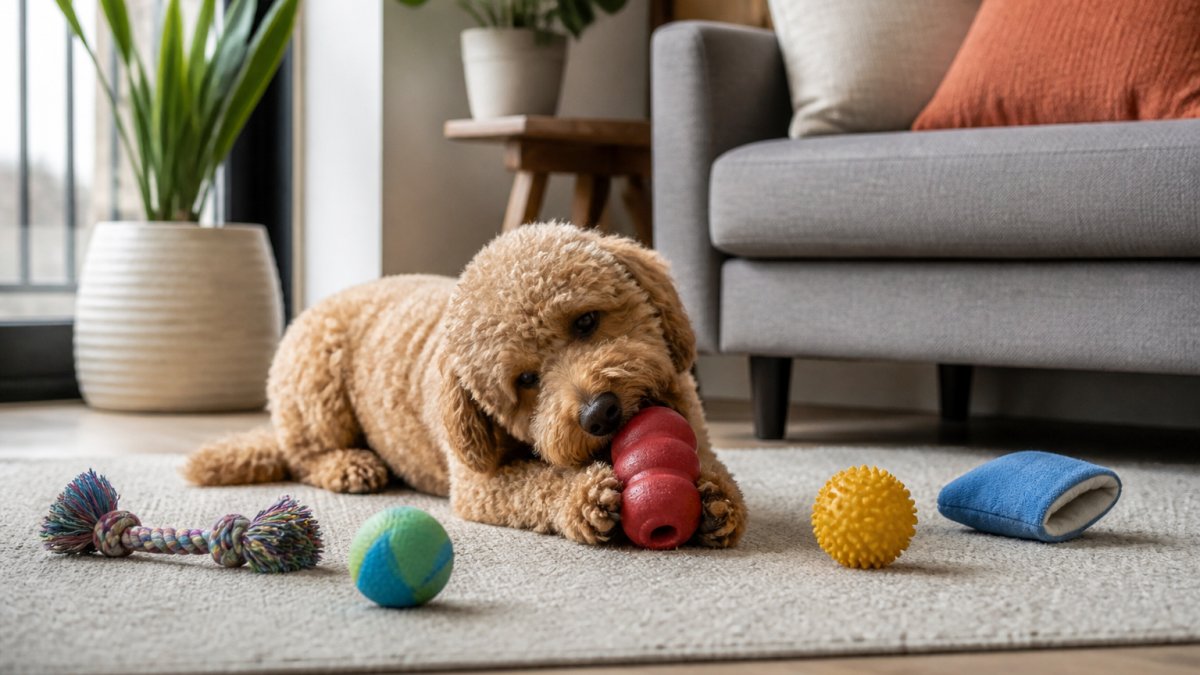
Food-stuffed toys and long-lasting chews: they give your dog something to do
Environmental enrichment: puzzle toys, safe chews, a window with a view
Exercise before you leave: a tired dog settles faster
A comfort item: a worn shirt or familiar blanket
A safe space: a crate or bed your dog already likes
What doesn't work:
Punishment. Scolding a panicked dog teaches fear, not calm. It makes the problem worse.
Crating a dog that isn't crate trained. A dog in panic can hurt itself trying to escape.
A second dog as a "fix." Some dogs do better with company. Many don't.
Watch Out Never punish a dog for destruction or accidents that happened while you were gone. The dog can't connect the correction to an act from hours ago. You'll only add fear to an already anxious dog.
When to Get Professional Help for Your Dog's Anxiety
Call a professional when training stalls or your dog hurts itself.
Start with your veterinarian, who can rule out medical causes and discuss whether prescription medication such as fluoxetine or clomipramine makes sense alongside behavior modification.
Then find a behavior professional. A certified behavior consultant or veterinary behaviorist can build a plan for severe cases.
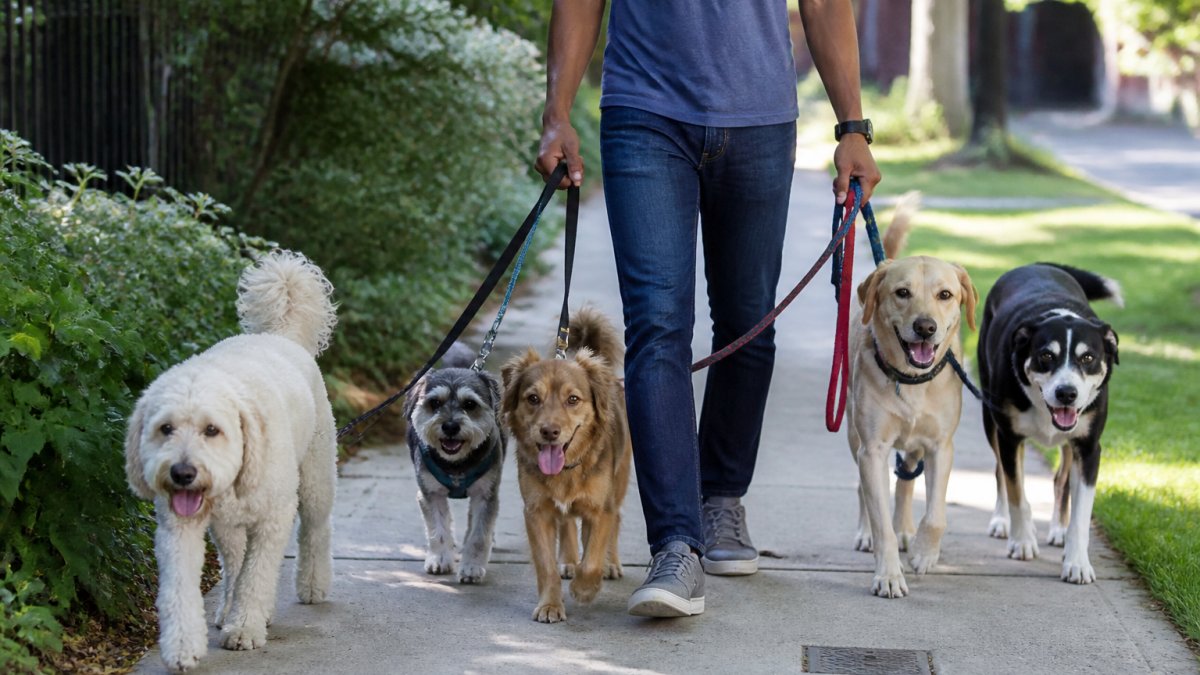
Between sessions, arrange temporary care so your dog isn't left to panic, a sitter, friend, or reliable walker keeps your dog safe while you train.
Common Mistakes That Make Dog Separation Anxiety Worse
The biggest mistake is moving too fast. Owners see one good session and jump from five minutes to an hour. The dog panics, and weeks of progress reset.
Other common errors:
Long, emotional goodbyes. They crank up the drama your dog already feels.
Practicing only when you actually leave. Training absences should be deliberate and short, not real errands.
Skipping the baseline. Without knowing your dog's threshold, you're guessing.
Ignoring the vet. Medical issues and true anxiety can look identical.
Giving up after a setback. Relapse is normal. Restart smaller.
Key Takeaway The rule that matters most: never let your dog practice panic. Every session should end with a calm dog. One panic episode undoes several good ones.
Conclusion: Building a Realistic Plan for Your Dog
Separation anxiety is treatable with patience and a plan you can stick to: start with video monitoring and a baseline, build absences slowly, make departures boring and returns calm, track your numbers, expect setbacks, and bring in your vet or a behavior professional when progress stalls.
You don't have to do it alone, and your dog shouldn't have to wait alone either. Bark West offers personalized 30-minute walks at a flat rate, customized to your dog's needs, with 24/7/365 on-call availability.
Contact Bark West to set up a walk and give your dog the company and exercise that make training easier.
Frequently Asked Questions
What is the fastest way to help a dog with separation anxiety?
There is no overnight fix. The fastest reliable approach combines gradual desensitization (leaving for short absences and slowly increasing duration), counterconditioning (pairing departures with something the dog enjoys, like a food-stuffed toy), and keeping every absence below the dog's anxiety threshold. Video monitoring helps you confirm the dog stayed calm. Severe cases may need a veterinary assessment and prescription medication alongside training. Rushing the process usually causes setbacks that take longer to undo than the original problem.
How can I tell if my dog has separation anxiety or just boredom?
Timing and pattern are the giveaways. Separation anxiety typically starts within minutes of your departure, and the dog may pace, pant, drool, bark, howl, house soil, or attempt to escape, often concentrating destruction on doors and windows. Boredom-driven behavior tends to happen later, is more scattered (chewed cushions, counter surfing), and the dog is usually calm when you leave. Video monitoring during your absence gives you the clearest picture of which pattern you are dealing with.
How long does dog separation anxiety training take?
Mild cases can improve in a few weeks of consistent daily practice. Moderate to severe cases commonly take several months, and progress is rarely linear. What matters most is tracking absence duration and your dog's time to distress rather than counting calendar days. Setbacks after schedule changes, moves, or travel are normal. If you see no improvement after four to six weeks of structured training, that is a signal to bring in a veterinary behavior professional.
Should I crate a dog with separation anxiety?
For some dogs, a crate is a safe space that reduces anxiety. For others, confinement makes panic worse and can lead to self-injury from escape attempts. Test carefully with video monitoring: if your dog settles in the crate, keep using it with a comfort item and food-stuffed toy. If you see drooling, frantic scratching, or escape attempts, switch to a dog-proofed room instead. Never use the crate as punishment, and never leave a dog in a crate longer than it can comfortably handle.
Contact

Comments